Pages

Saturday, July 8, 2023

Michigan Dogman: Sightings, Legend & Evidence

Deep in the forests of northern Michigan, stories persist about something that supposedly shouldn't exist.

Witnesses describe a massive canine creature capable of standing upright on two legs. Some say it has the muscular body of a man and the head of a wolf or dog. Others remember strange eyes reflecting from the darkness, enormous footprints, or an unsettling howl somewhere between an animal's cry and a human scream.

It has become known simply as the Michigan Dogman.

Michigan Dogman standing in a dark Michigan forest under a full moon


Today, the Michigan Dogman is one of the Great Lakes region's most famous cryptids, frequently compared with Bigfoot and Wisconsin's Beast of Bray Road. Stories attributed to the creature stretch from Wexford County and the Manistee River region to communities scattered across Michigan.

But the history of the Dogman is considerably stranger than the legend initially suggests.

The creature's supposed history reaches back to an 1887 logging camp—but the modern Michigan Dogman legend exploded exactly 100 years later because of an April Fools' Day song written by a Traverse City radio personality.

And that raises a fascinating question:

Was the Michigan Dogman an invented monster that eventually developed its own folklore—or did an invented monster accidentally give a name to something people already believed they had seen?

What Is the Michigan Dogman?

The Michigan Dogman is a legendary canine humanoid reportedly encountered throughout Michigan, particularly in the northern and northwestern Lower Peninsula.

Descriptions vary considerably, but the classic Dogman is said to be:

  • Approximately six to seven feet tall when standing

  • Covered in dark or brownish fur

  • Capable of walking on two legs

  • Equipped with a canine or wolf-like head

  • Broad through the shoulders and upper body

  • Possessed of unusually bright or reflective eyes

  • Capable of producing a frightening howl or scream

Some alleged witnesses describe something resembling an enormous wolf that suddenly stands upright. Others describe a creature that appears almost humanoid except for its distinctly canine head and legs.

There is currently no verified physical evidence establishing the Michigan Dogman as an unknown animal species. Its existence rests primarily on folklore, eyewitness reports, later retellings, and popular culture.

Yet the legend has become deeply associated with Michigan.

And much of that can be traced to one radio broadcast in 1987.

The Strange Origin of the Michigan Dogman Legend

According to the traditional version of the story, the first Michigan Dogman sighting occurred in Wexford County in 1887.

The tale describes lumberjacks working at an isolated logging camp when they encountered a bizarre creature possessing a man's body and a dog's head.

That date became enormously important to Dogman lore.

Sightings were supposedly reported again during later years ending in the number seven, eventually producing the claim that the creature returns to Michigan every ten years.

There's just one major problem.

Evidence documenting the 1887 encounter from the time it supposedly happened has proven elusive.

The story instead became famous a century later through a song.

Steve Cook and "The Legend"

On April 1, 1987, Traverse City radio personality Steve Cook aired a song called "The Legend."

It was an April Fools' Day joke.

Cook created a spooky story about a canine humanoid stalking northern Michigan and supposedly appearing during years ending in seven. The song placed the beginning of the legend in 1887—exactly one century before the broadcast.

Cook has subsequently explained that the Dogman story was something he created for the prank.

But something unexpected happened after the song aired.

People began contacting the radio station.

Some listeners claimed they had already encountered creatures resembling the monster described in Cook's song.

Suddenly, what began as an April Fools' joke was turning into something much larger.

The Michigan Dogman had become folklore.

Did Michigan Dogman Sightings Exist Before 1987?

This is one of the most interesting—and complicated—parts of the entire Dogman story.

Numerous encounters are now attributed to years before Steve Cook's song, including reports supposedly occurring in:

  • 1887

  • 1937

  • the 1950s

  • 1961

  • 1967

  • 1977

The problem is establishing when those stories were first documented.

Many accounts were recorded or popularized only after the 1987 broadcast, making it difficult to determine how much of their modern form existed beforehand.

That doesn't necessarily mean every witness invented an encounter after hearing the song.

Someone can experience something unusual and tell the story years or decades later.

But from a historical perspective, a story reported decades after an event isn't as strong as a newspaper article, police report, diary entry, photograph, or other record created when the encounter supposedly happened.

That distinction is essential when investigating the Michigan Dogman.

The 1887 Wexford County Dogman

The traditional starting point for the legend is Wexford County, Michigan, in 1887.

According to the story, lumberjacks encountered a bizarre animal near a logging camp. The creature supposedly stood upright and combined canine and human characteristics.

It eventually became the foundational Michigan Dogman encounter.

The problem is that contemporary documentation confirming the incident has not emerged.

The 1887 date is nevertheless firmly embedded in Dogman folklore, partly because it forms the beginning of the creature's famous ten-year cycle.

According to the legend, Dogman activity increases during years ending in 7.

That pattern is one of the most recognizable—and suspiciously neat—elements of the story.

The Robert Fortney Encounter

One of the most frequently repeated early Michigan Dogman sightings is attributed to Robert Fortney near Paris, Michigan.

The encounter is generally dated to 1937, although versions of the story sometimes differ on the exact year.

Fortney reportedly encountered a group of wild dogs near the Muskegon River. According to later accounts, one animal behaved very differently from the others.

It supposedly rose onto two legs.

That detail transformed what otherwise might have been an encounter with aggressive dogs into one of the classic stories associated with the Michigan Dogman.

Fortney's account became especially significant because he reportedly contacted Steve Cook after hearing "The Legend."

If accurately remembered, the incident would have occurred approximately fifty years before Cook introduced the Dogman to a mass audience.

But as with many early Dogman stories, the considerable gap between the alleged encounter and its later documentation makes independent verification difficult.

Dogman Reports During the 1950s and 1960s

Other retrospective reports place Dogman-like creatures in Michigan during the following decades.

Alleged sightings have been associated with Allegan County during the 1950s, while additional reports became connected with Manistee and Cross Village in 1967.

These stories helped reinforce the idea that encounters weren't isolated to Wexford County.

Instead, a pattern began forming around northern Michigan.

Forests.

Remote roads.

Rivers.

Small communities.

And encounters with unusually large animals capable of apparently standing or moving on two legs.

Whether those similarities represent encounters with the same unexplained phenomenon or simply the way folklore evolves remains unanswered.

Why Does the Michigan Dogman Appear in Years Ending in 7?

One of the strangest pieces of Michigan Dogman lore claims that the creature appears during years ending in seven.

The supposed cycle begins in 1887 and continues through later decades.

It's an unforgettable detail.

It also comes directly from the mythology surrounding Steve Cook's song rather than any known biological phenomenon.

There is no established zoological reason an animal population would appear only once every ten years according to the final digit on a human calendar.

Dogman sightings have also been claimed outside those years.

The ten-year cycle is therefore better understood as part of the Michigan Dogman legend rather than evidence of an actual behavioral pattern.

The 1987 Luther Cabin Incident

One incident helped blur the line between Cook's fictional song and events happening in Michigan at the time.

During 1987, reports circulated concerning damage to a cabin near Luther, Michigan.

The building supposedly contained unusual claw or bite marks, leading to speculation that a large animal had attempted to enter.

Because this happened the same year Cook's Dogman song became popular, the incident quickly became incorporated into the growing legend.

Cook would eventually add material inspired by the Luther incident to later versions of his song.

However, unexplained animal damage isn't evidence by itself that a Dogman was responsible.

Bears, large dogs and other wildlife can cause surprisingly dramatic damage to buildings.

Nevertheless, the timing couldn't have been better for a developing monster legend.

Michigan suddenly had its own cryptid.

Michigan Dogman Sightings After "The Legend"

Dogman reports didn't disappear after 1987.

They multiplied.

People described encounters along isolated roads, near wooded properties, around campgrounds and deep within Michigan's forests.

A recurring description began emerging:

A witness initially sees what appears to be a large dog or wolf.

Something seems wrong with its proportions.

Then the animal stands up.

That transition—from ordinary quadruped to upright creature—is perhaps the single most recognizable characteristic of modern Dogman encounters.

Reports have since expanded far beyond Michigan, and "Dogman" has become a general name used by cryptid enthusiasts for alleged upright canine creatures throughout North America.

But Michigan remains inseparable from the legend.

What Does the Michigan Dogman Look Like?

There is no scientifically established description because no specimen has ever been verified.

Instead, the Dogman's appearance comes entirely from reported eyewitness descriptions and folklore.

The classic depiction resembles an enormous wolf-human hybrid.

Dogman vs werewolf: whats the difference

Witnesses commonly describe a long canine muzzle, pointed ears, heavy fur, muscular shoulders and powerful hind legs.

The creature is often said to alternate between walking on four legs and standing upright.

Its eyes are sometimes described as amber, yellow or blue, although apparent glowing eyes at night can have perfectly natural explanations.

Many mammals possess a reflective layer behind the retina called the tapetum lucidum, which causes their eyes to appear extremely bright when illuminated by headlights or flashlights.

At night, that effect can make an otherwise ordinary animal look remarkably unnatural.

The Gable Film

For years, one of the most famous pieces of supposed Michigan Dogman evidence was something known as the Gable Film.

The footage appeared to resemble an old home movie.

Near the end, the camera encounters a strange four-legged creature. The animal notices the cameraman and suddenly charges.

The footage cuts out during the apparent attack.

For believers, it looked like extraordinary evidence.

It wasn't.

The Gable Film was deliberately staged.

Its creator, Mike Agrusa, eventually revealed how the footage had been produced, including the costume and techniques used to create its aged appearance.

The revelation dealt a major blow to one of the most famous pieces of supposed photographic evidence connected with the Dogman.

It also demonstrates an important lesson when investigating cryptids.

Convincing footage isn't necessarily authentic footage.

Is There Real Michigan Dogman Evidence?

Despite decades of stories, there is currently no scientifically verified evidence demonstrating that an unknown bipedal canine species inhabits Michigan.

No confirmed Dogman body has been recovered.

No DNA sample has established an unknown large canine or humanoid species.

No skeletal remains have been authenticated.

No clear photograph has been scientifically verified.

And perhaps the most famous supposed video—the Gable Film—was staged.

What remains is primarily eyewitness testimony.

That doesn't necessarily mean witnesses are lying.

Someone can genuinely experience something frightening while being mistaken about what caused it.

Human perception becomes especially unreliable under poor lighting, at long distances and during sudden encounters.

And Michigan provides plenty of animals capable of producing startling sightings.

Could Black Bears Explain Some Dogman Sightings?

One obvious candidate is the American black bear.

Black bears are common in portions of Michigan and can stand upright on their hind legs.

A large bear unexpectedly rising onto two legs can create an extremely humanoid silhouette.

Distance and darkness can make identification even more difficult.

A bear partially obscured by trees could therefore potentially explain some reports of large, dark creatures apparently standing like humans.

But bears don't perfectly match every Dogman description.

Their heads, ears, legs and movement differ significantly from the wolf-like appearance witnesses frequently report.

Could Wolves or Large Dogs Be Mistaken for Dogman?

Michigan also supports populations of wolves, coyotes and numerous domestic or feral dogs.

A particularly large canine encountered unexpectedly at night could easily appear much larger than its actual size.

Injuries can also cause animals to adopt unusual postures.

A canine briefly balancing or moving strangely could potentially produce an extraordinary interpretation—especially when observed for only seconds.

Once someone is familiar with the Dogman legend, that interpretation becomes even easier.

They aren't simply seeing an unidentified animal.

They have a name for it.

Michigan Dogman vs. Werewolf

Although the Michigan Dogman resembles a traditional werewolf, there is an important difference.

Werewolf legends generally involve human transformation.

A person becomes a wolf or wolf-like creature, often through magic, a curse or supernatural circumstances.

The Michigan Dogman is normally described as a creature in its own right.

It doesn't transform from a person.

It's simply Dogman.

Stories involving human transformation sometimes get attached to modern Dogman mythology, but transformation isn't a necessary part of the traditional Michigan creature.

Michigan Dogman vs. Beast of Bray Road

Michigan isn't the only Great Lakes state with stories of an upright canine monster.

Across Lake Michigan, Wisconsin has the Beast of Bray Road.

The creature became famous following reports around Bray Road near Elkhorn, Wisconsin, particularly during the late 1980s and early 1990s.

Witness descriptions bear obvious similarities to Dogman accounts:

  • Large canine appearance

  • Ability to stand upright

  • Powerful build

  • Wolf-like head

  • Encounters near rural roads and forests

The similarities have led some cryptid enthusiasts to suggest the Michigan Dogman and Beast of Bray Road could represent the same phenomenon.

There is no biological evidence establishing that either creature exists, much less that they're members of the same species.

From a folklore perspective, however, the connection is fascinating.

Two neighboring Great Lakes states developed remarkably similar legends of upright canine creatures.

Beast of bray road vs michigan dogman: whats the difference?

Is the Michigan Dogman Connected to Native American Legends?

Claims frequently appear online connecting the Michigan Dogman to Indigenous traditions.

This is an area where caution is especially important.

Native American cultures throughout the Great Lakes region contain rich and varied traditions involving animals, spirits and transformations, but those traditions shouldn't automatically be retrofitted into the modern Dogman legend simply because they contain superficially similar elements.

The specific Michigan Dogman mythology recognized today was popularized through Steve Cook's 1987 song.

Claims that Indigenous stories provide direct historical evidence of the same creature require much stronger sourcing than is usually provided.

Similarities between traditions can be interesting without assuming they're describing the same thing.

Why Michigan Is Perfect for the Dogman Legend

Whatever its origins, Michigan provides an almost perfect environment for a cryptid legend.

The state contains millions of acres of forests, remote wilderness, wetlands and sparsely populated regions.

Northern Michigan can feel especially isolated after dark.

A road that seems perfectly ordinary during daylight can become profoundly different at midnight, surrounded by miles of forest with nothing visible beyond the headlights.

Michigan also supports black bears, coyotes, wolves, bobcats and other animals capable of producing unfamiliar sounds and silhouettes.

Combine that landscape with generations of campfire stories and an internationally recognized cryptid, and almost any unexplained movement between the trees takes on another possibility.

Dogman.

Is the Michigan Dogman Real?

There are really two different questions here.

Is the Michigan Dogman real as a creature?

There currently isn't sufficient physical evidence to establish that an unknown bipedal canine species exists in Michigan.

Is the Michigan Dogman real as a legend?

Absolutely.

What began—or at minimum became famous—as an April Fools' radio story developed into one of Michigan's most recognizable pieces of modern folklore.

Perhaps the most intriguing part is what happened after Steve Cook introduced his fictional monster.

People told him they had already seen it.

Some placed their experiences years or decades before his song.

Were those witnesses remembering bears, wolves, dogs or other ordinary animals?

Were older regional stories eventually absorbed into the new Dogman mythology?

Did hearing Cook's description provide people with a framework for strange encounters they couldn't previously explain?

Or is there something wandering Michigan's forests that hasn't been adequately identified?

So far, there isn't enough evidence to answer that final question with anything approaching scientific certainty.

And that's precisely why the legend survives.

Frequently Asked Questions About the Michigan Dogman

What is the Michigan Dogman?

The Michigan Dogman is a legendary cryptid described as a large canine-like creature capable of standing and walking on two legs. It is most strongly associated with northern Michigan.

Where was the Michigan Dogman first seen?

According to the traditional legend, the first encounter occurred at a logging camp in Wexford County in 1887. However, contemporary documentation verifying that account has not been established, and the story became famous through Steve Cook's 1987 song.

Who created the Michigan Dogman legend?

Traverse City radio personality Steve Cook played an April Fools' song called "The Legend" in 1987 featuring a fictional Dogman. Afterward, listeners contacted the station claiming they had experienced similar encounters, some supposedly decades earlier.

What does the Michigan Dogman look like?

Reported descriptions usually portray the Dogman as a six- to seven-foot canine humanoid with fur, pointed ears, a long muzzle, powerful hind legs and the ability to walk upright.

Where have Michigan Dogman sightings occurred?

Stories and alleged sightings have been associated with locations throughout Michigan, particularly the northern and northwestern Lower Peninsula. Wexford County, Manistee, Cross Village, Paris and Luther all appear in Dogman lore.

Is the Gable Film real?

No. The famous Gable Film presented as possible footage of a Dogman was staged. Its creator later demonstrated how the footage was produced.

Does the Michigan Dogman appear every ten years?

The legend claims Dogman activity occurs during years ending in seven. The pattern is part of the mythology popularized by "The Legend," not an established biological cycle.

Is the Michigan Dogman a werewolf?

Not traditionally. Werewolves are humans who transform into wolf-like creatures. Dogman is generally portrayed as a permanently canine humanoid creature rather than a transformed human.

Is the Michigan Dogman the same as the Beast of Bray Road?

They are separate legends, but their descriptions are remarkably similar. The Beast of Bray Road is primarily associated with Wisconsin, while Dogman is most strongly associated with Michigan.

Has anyone proven the Michigan Dogman exists?

No scientifically verified physical evidence currently establishes the existence of the Michigan Dogman as an unknown animal species. The case rests primarily on folklore and eyewitness reports.

The Legend That Refuses to Die

The Michigan Dogman occupies an unusual place between hoax, folklore and unexplained eyewitness testimony.

Unlike many famous cryptids, we can identify the moment the modern legend exploded into popular culture: April 1, 1987.

Steve Cook created a monster for a radio prank.

Michigan gave it a life of its own.

Nearly four decades later, people still report enormous canine creatures standing beside lonely roads and moving through forests across Michigan and beyond.

Most encounters probably have ordinary explanations. Some may be exaggerations. Others may simply be stories that became more elaborate as they were retold.

But occasionally a witness describes something they insist was neither a bear, wolf, dog nor person.

And somewhere between those stories and the dark forests of northern Michigan, the Dogman legend continues.

Whether there's actually something behind it remains another question entirely.

Michigan Dogmen FAQ

Michigan Dogmen FAQ

What are the Michigan Dogmen?

The Michigan Dogman is a legendary creature that is said to inhabit the forests of Michigan, United States. It is often described as a bipedal canine creature with the body of a man and the head of a dog. Sightings of the Dogman have been reported since the late 1800s, and it has gained popularity through local folklore and alleged encounters. However, the existence of the Dogman is widely considered to be a legend or myth, with no scientific evidence supporting its existence.

Are there any documented sightings of

The Bible Belt Strangler

Listen to the article:

Within the dark annals of criminal history, few serial killers have captivated the public's imagination like the figure known as the Bible Belt Strangler. Roaming through the heartland of America, this elusive predator left a trail of terror, targeting unsuspecting victims, and confounding law enforcement agencies. In this article, we delve into the chilling details of the crimes, the haunting crime scenes, and the potential suspects, as we try to unravel the mystery surrounding the Bible Belt Strangler.


The Victims of the Bible Belt Strangler

The Bible Belt Strangler claimed the lives of innocent individuals who fell prey to his sadistic inclinations. Though the exact number of victims remains unknown, law enforcement agencies have linked at least 10 murders to this vicious serial killer. The victims hailed from various backgrounds, spanning different ages, genders, and races, united only by their unfortunate encounter with the Bible Belt Strangler.

Within the chilling narrative of the Bible Belt Strangler, the true heartbreak lies in the innocent lives lost to this remorseless serial killer. Their disappearances, steeped in enigma, and the subsequent discovery of their lifeless bodies paint a grim tableau of the horrors inflicted upon them. In this article, we pay solemn tribute to all ten known victims, shedding light on their disappearances, the harrowing circumstances surrounding their discoveries, and the enduring impact on their grieving loved ones.

Pictures of victims


Sarah Thompson

Sarah Thompson, a 27-year-old nurse from Lexington, vanished on a moonlit evening as she left her late shift at the local hospital. Despite tireless efforts to find her, days turned into agonizing weeks until her lifeless body was discovered deep in the woods, her vacant eyes silently bearing witness to the unimaginable torment she endured.


Michael Collins

Michael Collins, a 19-year-old college student with aspirations of becoming an architect, disappeared without a trace on his way home from a late-night study session. The sudden void left by his absence reverberated through the community, prompting exhaustive searches. Tragically, his body was eventually found concealed beneath the floorboards of an abandoned building, forever extinguishing the light of his promising future.


Maria Rodriguez

Maria Rodriguez, a 42-year-old mother of two, was last seen leaving her workplace, a local grocery store, on an ordinary Wednesday evening. Her disappearance left her children anxiously awaiting her return, but as hours turned into days, their hopes were shattered. It was a farmer who stumbled upon Maria's remains in a desolate field, her life cruelly cut short, leaving her children orphaned and her family inconsolable.


Jonathan Simmons

Jonathan Simmons, a 32-year-old high school teacher known for his unwavering passion for literature, vanished under mysterious circumstances after attending an evening book club meeting. The community rallied, plastering missing person posters throughout the city, desperately yearning for Jonathan's safe return. Tragically, his lifeless body was discovered, grotesquely posed beneath a dilapidated church, marking the end of a life dedicated to nurturing young minds.


Emily Wilson

Emily Wilson, a 45-year-old artist renowned for her vibrant paintings, vanished on a crisp autumn morning during her routine walk along the riverbank. Friends and fellow artists organized an extensive search, clinging to the hope that her artistic spirit would guide her back to safety. That hope was brutally shattered when her lifeless body emerged from the murky waters, an eerie contrast to the beauty she had once created.


James Peterson

James Peterson, a 50-year-old accountant known for his gentle nature, inexplicably vanished one fateful evening after leaving a local diner. As his family and friends tirelessly combed the city, their desperation grew with each passing day. Sadly, James' lifeless body was discovered in a remote wooded area, forever stealing his warmth and kindness from the world.


Olivia Barnes

Olivia Barnes, a 22-year-old aspiring actress, disappeared without a trace after attending an evening audition at a local theater. The news of her vanishing sent shockwaves through the performing arts community, igniting fervent efforts to find her. Yet, hope turned to despair when Olivia's lifeless body was uncovered in an abandoned warehouse, her dreams forever unfulfilled.


Daniel Roberts

Daniel Roberts, a 35-year-old construction worker known for his infectious laughter, went missing during a routine lunch break from his job site. Concerned colleagues scoured the area, desperately hoping to find him unharmed. Tragically, Daniel's lifeless body was discovered in a shallow grave, the vibrant spirit that once resonated with joy forever silenced.


Sophia Reynolds

Sophia Reynolds, a 16-year-old high school student brimming with dreams, vanished one evening after attending a local community event. Panic gripped her family and friends as they embarked on an exhaustive search, clinging to the belief that she would be found safe. The devastating truth was revealed when Sophia's lifeless body was found hidden in an abandoned barn, snuffing out the potential that radiated from her youthful spirit.


Robert Foster

Robert Foster, a 58-year-old retired veteran and beloved member of his community, disappeared under mysterious circumstances following a neighborhood gathering. The community rallied together, determined to bring him home. Their worst fears were realized when Robert's lifeless body was discovered in a remote wooded area, his absence leaving an irreplaceable void in the lives of those who cherished him.

Pictures of the victims


As we reflect upon the victims of the Bible Belt Strangler, we are confronted with the profound tragedy that their lives were cut short by unspeakable acts of violence. Each disappearance and subsequent discovery of a lifeless body shattered the hopes and dreams of their families and friends, leaving a legacy of grief and unanswered questions. Their stories serve as a solemn reminder of the darkness that can lurk within our society, urging us to be vigilant in the protection of our communities.

As the search for justice continues, we honor the memory of these ten known victims: Sarah Thompson, Michael Collins, Maria Rodriguez, Jonathan Simmons, Emily Wilson, James Peterson, Olivia Barnes, Daniel Roberts, Sophia Reynolds, and Robert Foster. May their souls find peace, and may their stories inspire us to create a world where such horrors are never repeated. Let us stand united in the pursuit of justice and the preservation of the preciousness of life, ensuring that the Bible Belt Strangler's reign of terror is brought to an end, and that the victims are never forgotten.


Details of the Crime Scenes

The crime scenes left behind by the Bible Belt Strangler were shrouded in a macabre ambiance. Each murder exhibited eerie similarities, characterized by meticulous planning and a signature modus operandi. The victims were often found in secluded areas, such as wooded patches, abandoned buildings, or remote spots along rural roads. The killer meticulously strangled his victims with a ligature, leaving no room for escape or mercy. Authorities discovered disturbing patterns of post-mortem rituals, hinting at the killer's fascination with religious symbolism and the Bible.


Potential Suspects

Despite extensive investigations, the identity of the Bible Belt Strangler remains a haunting enigma. Law enforcement agencies have pursued numerous leads, but the lack of concrete evidence and the killer's cunning tactics have thwarted their efforts. However, several potential suspects have emerged throughout the investigation, each with their own unsettling connections to the crimes.


The Preacher

A charismatic and influential figure within the local community, this suspect drew suspicion due to his deep-rooted religious fervor. Rumors circulated that he harbored a dark secret, using his position of trust to prey on vulnerable individuals who sought spiritual guidance.


The Outsider

Some investigators speculate that the Bible Belt Strangler could be an itinerant loner, blending seamlessly into the fabric of society while leading a transient lifestyle. This suspect might have no fixed address, making it harder for authorities to trace his movements.


The Phantom

A more controversial theory suggests that the Bible Belt Strangler could be a law enforcement officer or someone closely affiliated with the criminal justice system. This hypothesis stems from the killer's ability to evade capture and potentially exploit inside knowledge to outsmart investigators.


The reign of terror inflicted by the Bible Belt Strangler continues to haunt communities throughout the heartland of America. The victims, forever etched in the collective memory, serve as a somber reminder of the darkness that can lurk in even the most devout regions. As law enforcement agencies persist in their pursuit of justice, the elusive killer's identity remains elusive, leaving behind a legacy of fear and unanswered questions. Only time will tell if the shadows will finally recede, and the Bible Belt Strangler will be brought to justice, providing closure to the victims and their grieving families.

The Highway of Tears Killer: Unsolved Mysteries Along Canada's Notorious Highway

Introduction


In the vast wilderness of British Columbia, Canada, there exists a stretch of road that carries with it a haunting legacy. This is the story of the Highway of Tears, a notorious highway where numerous women have gone missing or been found murdered. It is a tale of unsolved mysteries, shattered families, and a community fighting for justice. This article delves into the dark chapters of the Highway of Tears killer, shedding light on the victims, the investigations, and the ongoing efforts to find answers.


The Highway of Tears: A Tragic Legacy

A billboard warning women not to hitchhike on the highway of tears.


The Highway of Tears refers to a 724-kilometer (450-mile) stretch of Highway 16 between Prince George and Prince Rupert in British Columbia. This remote and desolate road has gained infamy due to the alarming number of women who have disappeared or been murdered along its path. The exact number of victims remains unknown, but estimates range from 18 to over 40. Many of these cases are still unsolved, leaving communities in a state of anguish and fear.


The Victims: Lives Cut Short


Among the victims of the Highway of Tears are young women from various Indigenous communities. These women had hopes, dreams, and aspirations, but their lives were abruptly ended, leaving their loved ones devastated. Their stories are heart-wrenching reminders of the tragic consequences of unresolved crimes.


The Missing and Murdered Women:


The list of missing and murdered women along the Highway of Tears is extensive. Indigenous women, who are already vulnerable to systemic issues, have disproportionately borne the brunt of these crimes. Families continue to grapple with the pain of uncertainty, not knowing the fate of their loved ones.


The Heartbreaking Stories:


Each victim along the Highway of Tears has a unique story that deserves to be told. Whether it's the young student pursuing her education, the mother with dreams for her children, or the adventurer seeking new experiences, their lives were cut short in unimaginable ways. The stories of these women humanize the tragedy and emphasize the urgency for justice.

pictures of some of the missing women


Investigation and Controversies


The Long Road to Justice:


The investigations into the Highway of Tears cases have been plagued by challenges, resulting in few convictions. Law enforcement agencies have faced difficulties due to the vast geographic area, limited resources, and the complex nature of these crimes. As a result, families have been left waiting for answers, desperate for closure.


Police Response and Criticisms:


The response of the police to the Highway of Tears cases has faced scrutiny and criticism. Some families have voiced concerns about delays, lack of communication, and biases in the investigations. These factors have contributed to a sense of distrust and frustration within the affected communities.


The Role of Systemic Issues:


Beyond the individual investigations, the Highway of Tears cases have shed light on larger systemic issues. Poverty, racism, and marginalization have disproportionately affected Indigenous communities, leaving them vulnerable to violence and exploitation. Addressing these systemic issues is crucial for preventing further tragedies.


Community Action and Support


Advocacy and Awareness:


In the face of adversity, communities along the Highway of Tears have come together to advocate for justice and raise awareness. Indigenous activists, concerned citizens, and organizations have worked tirelessly to keep the cases in the public eye. They have organized rallies, walks, and campaigns to demand action and accountability.


Support for Families:


Recognizing the immense pain and trauma endured by the families of the victims, various support networks have been established. These organizations offer emotional support, resources, and assistance to those affected. They strive to ensure that the families are not left to navigate this tragedy alone.


Recent Developments and Future Hopes


Advances in Technology:


As technology evolves, there is renewed hope that it will provide crucial breakthroughs in solving the Highway of Tears cases. DNA analysis, forensic advancements, and improved communication between law enforcement agencies offer a glimmer of hope for progress. These developments are essential in bringing justice to the victims and closure to their families.


Calls for Accountability:


The tragedies along the Highway of Tears have sparked a larger conversation about accountability. Advocates and families demand that those responsible for the crimes be held accountable, regardless of the passage of time. Their determination serves as a reminder that justice should not be bound by limitations.


Conclusion


The Highway of Tears stands as a chilling reminder of the unsolved mysteries that haunt Canada's past. The lives lost along this desolate road represent a profound tragedy that demands attention and action. As communities unite, advocates raise their voices, and advancements in technology offer hope, the Highway of Tears killer may one day be brought to justice. Until then, the families of the victims continue to search for answers and healing.


FAQs


The Highway of Tears Killer - FAQ

Monday, May 29, 2023

Smiley Face Killer Theory: Are the Deaths Connected?

Listen to the article:
Smiley Face Killer Theory cover showing smiley face graffiti beside a dark river and bridge


For decades, young men have vanished after nights out with friends, only to be found days, weeks, or even months later in rivers, lakes, and other bodies of water.

Many of their deaths were classified as accidental drownings.

But two retired New York City detectives came to believe that at least some of them were anything but accidents.

Kevin Gannon and Anthony Duarte argued that similarities between a number of these deaths pointed toward something far more disturbing: multiple murders potentially connected by the same offender—or even a network of killers.

One detail attracted particular attention.

Near some of the locations connected with the deaths, investigators reported finding graffiti depicting a simple smiley face.

The idea became known as the Smiley Face Killer Theory, or sometimes the Smiley Face Murder Theory.

At one point, Gannon and Duarte publicly discussed approximately 40 deaths across 25 cities and 11 states that they believed could be connected. The proposed victims were often young men who disappeared after drinking before eventually being recovered from water.

The theory has attracted enormous attention from true-crime investigators, journalists, families, and amateur researchers.

It has also been strongly challenged.

The FBI said it had found no evidence establishing links between the deaths or supporting the existence of a serial killer or group of serial killers. Independent homicide researchers have also identified serious problems with the proposed connections.

So what exactly is the Smiley Face Killer Theory?

Where did it begin?

And is there actually evidence that these mysterious drowning deaths are connected?

The answer is far more complicated than the disturbing nickname suggests.


What Is the Smiley Face Killer Theory?

The Smiley Face Killer Theory proposes that some young men whose deaths were classified as drownings were actually victims of homicide.

Rather than accidentally falling into water after drinking, proponents believe certain victims may have been abducted or attacked before their bodies were placed in rivers or lakes.

The theory became widely known through the work of retired NYPD detectives Kevin Gannon and Anthony Duarte, who began comparing drowning cases from different parts of the United States.

According to the investigators, many cases appeared to share characteristics.

The proposed victims were frequently young men.

Many were college students.

Several disappeared after leaving bars, parties, or social gatherings.

Their bodies were later recovered from water.

And in some cases, investigators claimed to have discovered smiley face graffiti near locations associated with the deaths.

Gannon and Duarte eventually argued that the similarities could indicate something much larger than a single murderer.

They suspected multiple offenders might be operating in different locations.

It was an extraordinary claim—and one that would become highly controversial.


The Death of Patrick McNeill

The origins of the Smiley Face Killer Theory can be traced to the disappearance of Patrick McNeill in New York City.

McNeill was a 21-year-old Fordham University student.

On February 16, 1997, he went drinking with friends at a Manhattan bar. In the early hours of the following morning, McNeill left the establishment.

He never made it home.

A massive mystery followed.

McNeill remained missing for weeks until his body was eventually recovered from the water near Brooklyn.

His death was classified as an accidental drowning associated with alcohol intoxication.

But Detective Kevin Gannon, who had worked on McNeill's disappearance, became convinced the official explanation did not adequately account for what had happened.

Gannon continued examining the case even after his involvement with the official investigation ended.

The death of Patrick McNeill and the questions surrounding his final hours would ultimately become the foundation upon which the wider Smiley Face theory was built.

As Gannon and other investigators began looking at additional drowning deaths, they believed they were seeing familiar patterns.

Patrick McNeill was no longer viewed by them as an isolated case.

He became the beginning of something much larger.


A Pattern of Young Men Found in Water

One mysterious drowning is a tragedy.

Several superficially similar cases can begin to look like a pattern.

Gannon and Duarte eventually examined deaths across numerous states and cities.

ABC News reported in 2008 that the detectives were connecting approximately 40 deaths across 25 cities in 11 states.

Many of the proposed cases followed a broad sequence.

A young man went out drinking.

At some point during the night, he became separated from friends.

He disappeared.

Searches initially found nothing.

Then his body was discovered in a nearby river, lake, or other waterway.

The circumstances naturally raised questions for some families.

How had the victim reached the water?

Why hadn't searchers found him earlier?

Could he have entered the water somewhere else?

Were injuries consistent with an accidental fall?

And was alcohol enough to explain what happened?

These questions became central to the growing list of alleged Smiley Face Killer victims.

But similarities alone cannot establish that crimes are connected.

Young adults frequently socialize around alcohol, and many American cities and college towns are located near rivers and lakes. That makes determining whether these deaths form a meaningful statistical pattern much more difficult than simply listing their similarities.

Nevertheless, several cases would become particularly important to the theory.

One of them changed the conversation entirely.


Chris Jenkins and the Case Ruled a Homicide

On Halloween night in 2002, 21-year-old University of Minnesota student Christopher "Chris" Jenkins disappeared after visiting a Minneapolis bar.

Months later, his body was recovered from the Mississippi River.

Initially, Jenkins' death appeared to resemble many of the other cases later associated with the Smiley Face theory.

A young college student had been drinking.

He disappeared.

His body was found in water.

But the Jenkins investigation eventually took a crucial turn.

Authorities reclassified his death as a homicide.

That distinction made the Chris Jenkins murder extremely important to proponents of the Smiley Face Killer Theory.

Here was a young man who had initially appeared to be another drowning victim but whose death authorities later determined involved foul play.

For Gannon and Duarte, the case suggested that at least one suspicious drowning could conceal a murder.

But it did not establish that Jenkins' death was connected to McNeill's death or any of the dozens of other cases.

That distinction remains essential.

Evidence that one victim was murdered is not automatically evidence of a nationwide serial-killing operation.


Who Are Kevin Gannon and Anthony Duarte?

The Smiley Face theory is inseparable from the investigators who developed it.

Kevin Gannon and Anthony Duarte were retired NYPD detectives who spent years examining suspicious drowning cases after Gannon's involvement in the Patrick McNeill investigation.

They eventually worked alongside criminal-justice professor D. Lee Gilbertson and others.

Their approach often involved reconstructing where a body might have entered the water rather than simply examining where it was eventually recovered.

Rivers move bodies.

Currents, water levels, temperature, obstacles, and decomposition can all influence where remains ultimately surface.

If investigators could estimate a probable entry point, Gannon and Duarte believed they could identify the actual location where a crime may have occurred.

It was while examining these areas that the investigators said they repeatedly encountered unusual graffiti.

Most famously, they found smiley faces.

The investigation of Kevin Gannon, Anthony Duarte, and the origins of the Smiley Face theory ev

Ghost Town Chronicles: The Terrifying Legacy of the Pere Cheney Witch

Listen to the article:
Nestled in the serene landscapes of Crawford County, Michigan, lies a forgotten town that has remained abandoned for decades. Pere Cheney, a once-thriving village, stands as a haunting relic of the past. While historical records attribute the town's demise to diphtheria outbreaks, the true reason behind the hasty departure of all 1,500 residents in the early 1900s remains shrouded in mystery. Join us as we delve deeper into the captivating history of Pere Cheney, exploring its rise, tragic downfall, and the enigmatic legend that surrounds this desolate ghost town.

Founding and Prosperity

In 1873, Pere Cheney emerged under the vision of George Cheney, a visionary entrepreneur driven by the promise of wealth in the lumber industry. The village swiftly flourished, boasting a vibrant community complete with essential establishments such as a general store, post office, and even a doctor's practice. Its prosperity seemed assured as it capitalized on the lucrative timber resources abundant in the surrounding forests.

Map of Michigan showing the exact location of the pere Cheney ghost town


The Deadly Encounters

However, two decades after its establishment, Pere Cheney was struck by a devastating blow when diphtheria infiltrated the village. This infectious disease ravaged the population, claiming the lives of numerous residents. Struggling to recover from the illness's onslaught, the community was further plagued by a series of inexplicable fires that ignited within the town's boundaries. These harrowing events cast a dark shadow over the once-thriving village, leaving its inhabitants with a sense of foreboding and unease.

The Final Tragedy and Exile

In 1895, Pere Cheney was struck by another lethal wave of the dreaded disease, unleashing unparalleled devastation and death upon the village. The staggering loss of life compelled many remaining residents to abandon their homes in a desperate bid for survival. By 1901, a mere remnant of the once-thriving community endured, with only 25 individuals choosing to remain in the desolate village. Subsequently, these resilient settlers eventually departed by 1917, leaving Pere Cheney desolate and bereft of life.

Black and white photo of children that once lived in the thriving village of Pere Cheney


The Solemn Legacy of Pere Cheney

Today, Pere Cheney stands as a haunting testament to its tragic past, a ghost town swallowed by time. Only remnants of the once-vibrant village persist, with ruins scattered across the desolate landscape. The somber Pere Cheney cemetery serves as a poignant reminder of the countless lives lost to illness, their final resting place among the forgotten ruins. It is widely believed that neighboring villages, fearing the disease's relentless grip, resorted to burning what remained of Pere Cheney to prevent its tragic plague from spreading further.

Eerie Happenings and Supernatural Intrigue:
The allure of this ghost town, frozen in a perpetual state of abandonment, draws curious visitors from far and wide. Numerous reports of peculiar occurrences, particularly within the cemetery's vicinity, add an eerie mystique to the already haunting atmosphere. Witnesses claim to have witnessed ethereal orbs encircling the weathered gravestones and ethereal lights dancing among the treetops that engulf Pere Cheney. Some even recount hearing the faint echoes of children's laughter, a disconcerting reminder of the innocent lives lost to the diphtheria outbreak.

Broken tombstone in the Pere Cheney cemetery


The Tale of the Pere Cheney Witch

Within the annals of the Pere Cheney ghost town's haunting history lies a tale that sends shivers down the spine of even the most seasoned paranormal enthusiasts. This bone-chilling legend revolves around the enigmatic figure known as the Pere Cheney Witch. Banished from the village for conceiving a child out of wedlock, she is said to have unleashed a reign of terror, forever etching her name in the grim chronicles of this forsaken town. Join us as we delve into the macabre origins, dark deeds, and lasting legacy of the infamous Pere Cheney Witch.

An abandoned and dilapidated building in Pere Cheney


The Outcast in the Woods

According to local folklore, the Pere Cheney Witch, whose name has been lost to time, was once a young woman who sought solace in the dense woods surrounding the village. Exiled from Pere Cheney's tightly knit community due to societal conventions of the time, she retreated to the seclusion of the forest, where she lived in solitude, nursing her grievances and nurturing a sense of profound resentment.

A Tragic Loss

Tragedy struck the witch when her defenseless infant, exposed to the harsh elements of the wilderness, succumbed to the merciless grip of nature. Consumed by grief, the woman's sorrow transformed into an all-consuming rage, fueling a malevolent desire for revenge against those who had cast her out.

The Vengeance Unleashed

Driven by a deep-seated thirst for retribution, the Pere Cheney Witch emerged from her self-imposed exile and stealthily infiltrated the village that had spurned her. In a series of chilling events, she targeted the innocent children of the very residents who had banished her, unleashing a wave of terror that gripped Pere Cheney in an ironclad fist of fear.


The Mysterious Murders Associated with the Pere Cheney Witch 

Accounts from that ominous period speak of mysterious deaths and disappearances plaguing the town. Children were found lifeless, their bodies bearing haunting signs of violence and malevolence. Panic swept through the remaining residents as the sinister influence of the witch cast an indelible shadow over their lives. The once-thriving community now stood paralyzed by terror, desperately seeking respite from an unrelenting evil.

The Final Act of Justice

The reign of terror perpetrated by the Pere Cheney Witch eventually reached its climax. As the town's horror-stricken populace rallied against the malevolent force that had gripped their lives, they captured the witch and swiftly enacted their own form of justice. In the very heart of the Pere Cheney cemetery, a symbol of both death and remembrance, the witch met her demise at the hands of the enraged villagers. Before her final breath, she cast a chilling curse upon the entire town, dooming it to an early demise.

The Lingering Curse of the Pere Cheney Witch 

The curse whispered to have been uttered by the witch is said to have sealed Pere Cheney's fate, consigning it to eternal abandonment and decay. The village's once bustling streets fell silent, and its structures succumbed to the ravages of time. Nature, with an eerie sense of inevitability, began to reclaim the land that had once been home to so many lives and dreams.

Legacy and Haunting

Today, the specter of the Pere Cheney Witch looms large over the ghost town's desolate remains. Brave souls who dare to venture into the forsaken village report chilling encounters and inexplicable phenomena. Visitors claim to witness ethereal figures roaming the cemetery, their presence seemingly an echo of the witch's vengeful spirit. Eerie whispers fill the air, carrying the weight of a curse that continues to bind the land in perpetual darkness.

The legend of the Pere Cheney Witch weaves a tapestry of fear, tragedy, and supernatural intrigue around the ghost town of Pere Cheney. This captivating tale of an outcast seeking vengeance and a community plagued by her sinister deeds adds an eerie layer to the town's already haunting aura. Whether the story of the witch is rooted in historical fact or embellished by the passage of time, it serves as a reminder of the enduring power of legends and the lasting impact they can have on a place.

As Pere Cheney stands abandoned and ruined, the whispers of the witch's curse continue to echo through the empty streets and dilapidated structures. Visitors who brave the ghost town's eerie embrace are met with an atmosphere charged with mystery and a sense of foreboding. The cemetery, where the witch met her fate, remains a focal point of supernatural occurrences, with reports of strange phenomena and inexplicable encounters.

While the truth behind the tale of the Pere Cheney Witch may never be fully unraveled, its presence lingers, captivating the imaginations of those drawn to the enigmatic history of the ghost town. The legend serves as a cautionary reminder of the darkness that can manifest from fear, exclusion, and the human desire for retribution. Pere Cheney stands as a testament to the fragility of human existence and the enduring power of legends to shape our perceptions of the past.

As the years pass and the once-thriving village slips further into obscurity, the story of the Pere Cheney Witch continues to captivate and intrigue. It reminds us that even in the quietest corners of the world, tales of mystery and tragedy can take hold, leaving an indelible mark on the landscape and the collective memory of those who dare to uncover its secrets. Pere Cheney, with its haunting past and the enigmatic figure that haunts its legends, remains a testament to the enduring allure of ghost towns and the captivating stories that lie within their forgotten walls.

Sunday, May 28, 2023

The West Mesa Bone Collector Case

Listen to the article:

In the annals of crime, certain cases captivate the public's imagination with their enigmatic nature. One such case is that of the West Mesa Bone Collector, a haunting and unresolved mystery that unfolded in Albuquerque, New Mexico. This chilling tale of buried secrets and unanswered questions has left investigators and the local community searching for answers. Join us as we delve into the details surrounding this unsettling case.


Discovery of the Victims

In February 2009, a startling discovery was made on the West Mesa of Albuquerque. While conducting a routine inspection for a housing development, a woman stumbled upon a human bone protruding from the ground. Authorities were immediately notified, and a meticulous investigation ensued. What they uncovered was beyond anyone's worst nightmares.

Satellite image of where the bodies were found


The Grisly Scene

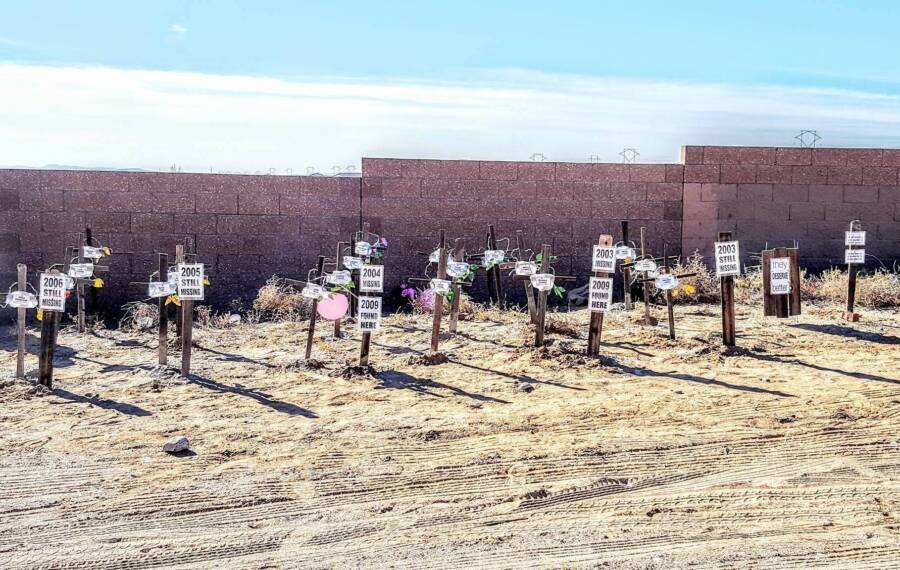
As investigators began to excavate the area, they unearthed a macabre burial ground. The remains of eleven women were found buried in shallow graves, all of whom were believed to be young prostitutes who had gone missing between 2003 and 2005. The victims were mostly Hispanic, ranging in age from 15 to 32 years old. This grim revelation sent shockwaves through the community, raising concerns about a potential serial killer roaming the streets of Albuquerque.


Remembering the Victims of the West Mesa Bone Collector

In the tragic saga of the West Mesa Bone Collector case, it is important to remember that behind the chilling headlines and unsolved mysteries are the lives of the victims themselves. Each woman whose remains were discovered on that fateful day in Albuquerque had a unique story, dreams, and loved ones who still mourn their loss. In this article, we pay tribute to the victims, ensuring that their memory lives on amidst the darkness that envelops their untimely deaths.

Memorial site where the bodies were discovered


1. Monica Candelaria

Monica Candelaria, aged 22 at the time of her disappearance, was a vibrant young woman who loved dancing and spending time with her family. She had dreams of becoming a nurse and was known for her infectious laughter and caring nature. Monica's loved ones remember her as a beacon of light and continue to seek justice on her behalf.


2. Veronica Romero

Veronica Romero, just 27 years old, was a mother of two young children. She possessed a warm and loving spirit, always putting her family first. Veronica's relatives recall her as a devoted mother who worked tirelessly to provide for her children, highlighting her determination and resilience.


3. Cinnamon Elks

Cinnamon Elks, 31 years old when she went missing, had a passion for art and a talent for capturing beauty on canvas. She was a caring friend who often lent a listening ear to those in need. Cinnamon's creativity and compassionate nature left a lasting impact on those who knew her, and her absence is deeply felt.


4. Victoria Chavez

Victoria Chavez, only 26 years old, had dreams of becoming a cosmetologist. Described as a free spirit with a love for adventure, she possessed an infectious zest for life. Victoria's friends and family remember her for her radiant smile and her ability to bring joy into any room.


5. Jamie Barela

Jamie Barela, 15 years old at the time of her disappearance, was the youngest victim. She was a vibrant teenager who enjoyed spending time with her friends and had dreams of a bright future. Jamie's family cherishes memories of her youthfulness and the love she brought into their lives.


6. Evelyn Salazar

Evelyn Salazar, 27 years old, was known for her kind heart and willingness to help others. She possessed a nurturing spirit and aspired to work with children. Evelyn's loved ones remember her as a compassionate soul who left a lasting impression on those she encountered.


7. Syllannia Edwards

Syllannia Edwards, aged 15, was a teenager with a vivacious personality. She had dreams of becoming a fashion designer and was admired for her unique sense of style. Syllannia's friends and family recall her as a vibrant young woman who embraced life with enthusiasm and creativity.


8. Doreen Marquez

Doreen Marquez, 24 years old, was a mother of two who loved spending time with her children. She was known for her resilience and determination to provide a better life for her family. Doreen's memory lives on through her children, who will always cherish the love she gave them.


9. Julie Nieto

Julie Nieto, 23 years old, had a passion for cooking and dreamed of opening her own restaurant someday. She had a magnetic personality and a warm smile that drew people towards her. Julie's family and friends remember her for her ambition and infectious laughter.


10. Michelle Valdez

Michelle Valdez, aged 22 at the time of her disappearance, was a young woman with dreams of becoming a singer. She had a captivating voice that mesmerized those who heard it. Michelle's loved ones honor her memory by keeping her love for music alive, often gathering to sing songs she cherished.


11. Unidentified Victim

Among the victims discovered in the West Mesa Bone Collector case is an unidentified woman. Despite exhaustive efforts by investigators and the community, her true identity remains unknown. She is a stark reminder of the ongoing challenges faced in solving this tragic case.


Remembering Their Lives

While the circumstances surrounding their deaths are horrifying, it is crucial to remember the lives these women led before their untimely demise. They were daughters, sisters, mothers, and friends—individuals with dreams, aspirations, and love to give. The memories shared by their loved ones offer glimpses into the vibrant spirits that were extinguished too soon.


Community Support and Advocacy

The discovery of the West Mesa Bone Collector's victims shook the community of Albuquerque to its core. Their tragic fate prompted increased awareness and activism surrounding the issue of missing and murdered women, particularly among marginalized populations. Community organizations and support groups emerged to provide resources, support, and advocacy for the families affected by these heinous crimes.


The Quest for Justice

While the West Mesa Bone Collector case remains unsolved, the pursuit of justice continues. Law enforcement agencies, alongside dedicated cold case investigators, tirelessly work to uncover new leads and technological advancements that may shed light on the identity of the perpetrator. Families and loved ones of the victims remain hopeful that one day justice will be served and closure will be granted.


Never Forgotten

As time passes, it is imperative that we do not allow the victims of the West Mesa Bone Collector to fade into oblivion. Their lives mattered, and their memories deserve to be honored. By remembering their names, sharing their stories, and supporting efforts to bring their perpetrator to justice, we keep their memory alive and remind ourselves of the urgency to address violence against women in our society

The victims of the West Mesa Bone Collector were more than mere statistics—they were cherished individuals whose lives were abruptly taken away. Through their stories, we gain insight into their vibrant spirits, dreams, and the impact they had on those around them. As the search for answers continues, let us remember these women, ensuring they are never forgotten, and let their memory serve as a rallying cry for justice and a safer world for all.


The Hunt for the Perpetrator

Law enforcement agencies mobilized swiftly, launching an intensive search for the individual or individuals responsible for these heinous acts. The case was dubbed the West Mesa Bone Collector, owing to the gruesome manner in which the victims' bodies were concealed. Despite their best efforts, investigators faced numerous challenges in piecing together the puzzle.


Exploring Possible Suspects in the West Mesa Bone Collector Case

The West Mesa Bone Collector case, a haunting unsolved mystery, has left investigators and the Albuquerque community grappling for answers. As the search for justice continues, attention naturally turns toward potential suspects who may have played a role in the heinous crimes. In this article, we delve into some of the individuals who have emerged as possible suspects in the perplexing saga of the West Mesa Bone Collector.


1. Lorenzo Montoya

Lorenzo Montoya was a convicted rapist and a known violent offender who lived in close proximity to the burial site. His criminal history and the timing of his parole release in 2006 led investigators to scrutinize his involvement in the case. Tragically, Montoya died in 2006, before the discovery of the victims, leaving lingering questions about his potential role in the crimes.


2. Joseph Blea

Joseph Blea, also known as the "Mid-School Rapist," was a notorious sex offender active in Albuquerque during the 1980s. While he was not directly linked to the West Mesa Bone Collector case, his history of violence and his modus operandi raised suspicions. Blea died in 2015 without any conclusive evidence linking him to the crimes.


3. Other Potential Perpetrators

Given the complex nature of the West Mesa Bone Collector case, other individuals have been considered as possible suspects. Law enforcement agencies have explored connections to known serial killers, examined sex offender registries, and pursued leads based on tips from the community. However, no definitive evidence has emerged linking any specific individual to the crimes.


Challenges in Identifying the West Mesa Bone Collector

The investigation into the West Mesa Bone Collector case has been riddled with challenges, hindering the identification of a conclusive suspect. Some of the difficulties faced by investigators include:

1. Lack of Physical Evidence: The burial site was discovered years after the victims went missing, resulting in the degradation of crucial physical evidence. This obstacle has made it challenging to establish a clear link between the perpetrator and the crimes.

2. Transient Lifestyle of Victims: The victims involved in the case were often engaged in high-risk activities and led transient lifestyles, making it difficult to establish a definitive timeline of their disappearances and potential connections to suspects.

3. Complexity of Missing Persons Cases: The Albuquerque area has seen a significant number of missing persons cases, posing a challenge in distinguishing patterns related to the West Mesa Bone Collector from other unsolved disappearances.


Continued Efforts and Hope for Justice

While potential suspects have been examined in the West Mesa Bone Collector case, the search for the true perpetrator remains ongoing. Law enforcement agencies, dedicated cold case investigators, and the Albuquerque community continue to collaborate in their pursuit of justice.

Advancements in forensic technology, DNA analysis, and the ongoing public interest in the case offer renewed hope that one day the puzzle will be solved. It is imperative to support the efforts of law enforcement, encourage the sharing of information, and remain vigilant in keeping the memory of the victims alive.

The search for justice in the West Mesa Bone Collector case has led investigators to explore various potential suspects, each with their own circumstances and connections. While the ultimate truth remains elusive, the collective determination to uncover the perpetrator persists. As the community rallies around the memory of the victims, it is crucial to remember that speculation must be tempered with respect for due process and the pursuit of solid evidence. Through continued collaboration and unwavering commitment, the answers to this haunting mystery may one day be revealed, bringing closure to the families and healing to the community.


Obstacles and Frustrations

The West Mesa Bone Collector case presented investigators with several hurdles. One major obstacle was the delay in discovering the burial site, which allowed crucial evidence to degrade over time. Moreover, the transient lifestyle of the victims made it challenging to establish a clear timeline of their disappearances and identify potential suspects. Additionally, the large number of missing persons cases in the area complicated the investigation, making it difficult to discern any patterns or connections.


Community Impact and Support

The West Mesa Bone Collector case had a profound impact on the local community. Fear and anxiety spread throughout Albuquerque, especially among marginalized populations who often faced greater risks. Vigils and memorials were held to honor the victims, while community organizations rallied together to provide support and raise awareness about the issue of missing and murdered women.


Unanswered Questions and Lingering Mystery

Despite the passage of over a decade, the West Mesa Bone Collector case remains unsolved. The lack of conclusive leads and definitive suspects has left investigators frustrated and families grieving without closure. The community continues to grapple with unanswered questions about the identity and motive of the perpetrator, as well as the possibility of other undiscovered victims. The question still remains; Who is the West Mesa Bone Collector?

The West Mesa Bone Collector case stands as a chilling reminder of the darkness that can lurk in society's shadows. The tragic fate of the victims, the relentless efforts of law enforcement, and the collective resilience of the community have created an indelible chapter in Albuquerque's history. As time passes, hope remains that advancements in forensic technology and renewed attention to the case may one day bring justice to those who lost their lives and solace to those who still seek answers. Until then, the West Mesa Bone Collector will continue to haunt the collective consciousness, urging us to remain vigilant and committed to solving the mysteries that lie hidden beneath the surface.

The Colonial Parkway Killer

Listen to the article:

The Colonial Parkway Killer, a notorious unidentified serial killer who terrorized the residents of Virginia in the late 1980s, remains one of the most haunting and perplexing criminal mysteries in American history. Over the course of four years, this enigmatic murderer claimed the lives of at least eight victims along the scenic Colonial Parkway, leaving investigators and the public alike in a state of fear and bewilderment. This article delves into the chilling case, exploring the crimes, the investigations, and the enduring quest for justice.


The Crimes Of the Colonial Parkway Killer 

Between 1986 and 1989, a series of homicides occurred along the picturesque Colonial Parkway, a historical route connecting the historic towns of Jamestown, Williamsburg, and Yorktown. The killer targeted young couples, targeting them while they were parked or camping in isolated areas of the parkway. The victims, all believed to have been killed by a single perpetrator, suffered violent deaths, often with signs of sexual assault and binding.

The killer's methods were meticulous and left little evidence behind, leading investigators to speculate that the perpetrator possessed a deep understanding of forensic techniques or had law enforcement training. The choice of remote locations made it difficult for witnesses to come forward, exacerbating the challenges faced by investigators.

Colonial parkway crime map


The Investigation

Despite the efforts of numerous law enforcement agencies, the investigation into the Colonial Parkway murders has been marked by frustration and setbacks. Conflicting jurisdictions, jurisdictional disputes, and limited cooperation between agencies hindered progress. The lack of evidence, such as DNA, fingerprints, or reliable eyewitness accounts, made it even more challenging to establish a clear profile of the perpetrator.

Over the years, various suspects emerged and were scrutinized, but none have definitively been linked to the crimes. Theories ranging from a rogue law enforcement officer to a serial killer with a military background have been proposed, but none have provided a definitive breakthrough. The case files remain open, and investigators continue to pursue leads, hoping for a breakthrough that will bring closure to the victims' families.

Remembering the Victims: Tragic Stories of the Colonial Parkway Killer's Prey

The Colonial Parkway Killer, a shadowy figure who haunted Virginia's Colonial Parkway in the late 1980s, left a trail of tragedy and shattered lives in their wake. Behind the headlines and the unsolved mystery, there were real people—vibrant individuals with hopes, dreams, and futures cruelly cut short. In this article, we pay homage to the victims of the Colonial Parkway Killer, sharing their stories and ensuring they are remembered beyond the chilling circumstances of their deaths.

Photos of the victims of the colonial parkway killer


1. Cathleen Thomas and Rebecca Ann Dowski

On October 12, 1986, the Colonial Parkway Killer struck for the first time, taking the lives of Cathleen Thomas, 27, and Rebecca Ann Dowski, 21. The young women were college students and best friends who had set out on a weekend getaway. Their bodies were discovered in Thomas' vehicle, which had been pushed down an embankment. The killer's brutal act forever silenced the laughter and aspirations of two promising young lives.


2. David Knobling and Robin Edwards

David Knobling, 20, and Robin Edwards, 14, fell victim to the Colonial Parkway Killer on September 19, 1987. The couple had embarked on a romantic evening drive, never suspecting the danger that awaited them. Their remains were found near the parkway, their lives ended tragically by an unknown assailant. David was known for his adventurous spirit and love for the outdoors, while Robin was a bright and ambitious teenager whose dreams were cruelly stolen.


3. Annamaria Phelps and Daniel Lauer

Annamaria Phelps, 18, and Daniel Lauer, 21, were the next victims of the Colonial Parkway Killer, vanishing on September 5, 1989. Annamaria, a talented artist, and Daniel, an Army soldier stationed at Fort Eustis, were in the early stages of a romantic relationship. Their disappearance sparked an intense search, but their bodies were not found until months later. The lives of these young individuals, brimming with potential, were abruptly cut short, leaving their families and friends in a perpetual state of grief.


4. Cassandra Hailey and Richard Call

Cassandra Hailey, 18, and Richard Call, 20, were the last known victims of the Colonial Parkway Killer. They vanished on April 10, 1988, while returning from a camping trip. Their bodies were found weeks later in a wooded area near the parkway. Cassandra was an aspiring model, full of dreams and aspirations, while Richard was a dedicated student with a promising future. The loss of these young lives reverberated through their communities, leaving a lasting void.

The victims of the Colonial Parkway Killer were more than statistics or names etched into the annals of a chilling crime spree. They were individuals with unique stories, talents, and dreams, whose lives were unjustly cut short by a faceless and still unidentified murderer. As we remember their tragic fates, let us also honor their memories by demanding justice and a resolution to this decades-old mystery. The victims deserve to be more than just part of a chilling tale—they deserve justice and to be remembered for the vibrant lives they led before their untimely deaths.


Exploring the Suspects in the Colonial Parkway Killer Case

The Colonial Parkway Killer case remains an enduring enigma, with an unidentified perpetrator who haunted Virginia's Colonial Parkway in the late 1980s. Over the years, investigators have scrutinized several potential suspects, each with their own set of circumstances and suspicious connections. In this article, we delve into the shadows and shed light on the key suspects in the Colonial Parkway Killer case, highlighting the complexities of the investigations and the elusive nature of justice.


1. David Lee Knobling Sr.

One of the initial suspects in the Colonial Parkway Killer case was David Lee Knobling Sr., the estranged husband of victim Robin Edwards. Knobling had a tumultuous relationship with Robin and had a history of domestic violence. Additionally, his alibi for the night of the murder was called into question. However, despite suspicions, no conclusive evidence was found linking Knobling to the crimes, and he was never charged.


2. An Unnamed Law Enforcement Officer

Speculation arose that a rogue law enforcement officer could be the perpetrator due to the killer's apparent knowledge of forensic techniques and the ability to evade capture. This theory gained traction due to the challenging nature of coordinating investigations across jurisdictions. However, no concrete evidence has emerged to implicate a specific law enforcement officer, and the theory remains speculative.


3. Darrell David Rice

Darrell David Rice, a convicted rapist, emerged as a potential suspect in the Colonial Parkway Killer case. Rice had a history of violent crimes, including sexual assault, and was in the vicinity of the parkway during the time of the murders. His modus operandi bore similarities to the killer's methods. However, despite the circumstantial connections, no direct evidence linking Rice to the crimes has been uncovered, leaving his involvement in question.


4. Others

Throughout the investigation, numerous other suspects have been considered and investigated. Some theories pointed towards a serial killer with a military background, due to the controlled nature of the crimes and the victims' proximity to military installations. However, no concrete evidence has emerged to definitively link any specific individual to the Colonial Parkway Killer case.


The Colonial Parkway Killer case has generated a web of suspects and theories, each offering a glimpse into the complexities of this chilling mystery. From estranged spouses to law enforcement officers and individuals with criminal backgrounds, investigators have explored various avenues in search of answers. Yet, despite their efforts, the identity of the Colonial Parkway Killer remains elusive, and the victims' families continue to wait for justice.


As the years pass, advancements in forensic technology and renewed public interest in cold cases offer hope for a breakthrough. The dedication of law enforcement agencies and the tireless pursuit of justice by victims' families keep the investigation alive. Ultimately, the Colonial Parkway Killer case serves as a stark reminder of the lingering questions that haunt those affected and the importance of resolving such cases to bring closure and peace to the victims' loved ones.

The Aftermath of the Colonial Parkway Killer 

The Colonial Parkway Killer case has left an indelible mark on the communities surrounding the parkway and beyond. The fear and uncertainty generated by the series of brutal murders still linger in the collective memory of those who lived through that era. The case has also shed light on the challenges faced by law enforcement agencies in coordinating investigations across jurisdictions and the critical need for collaboration and information-sharing.

The enduring mystery surrounding the Colonial Parkway Killer has captured the public's fascination and inspired numerous books, documentaries, and true crime podcasts. Cold case investigators, armchair sleuths, and amateur detectives continue to examine the evidence and exchange theories in online forums, hoping to unearth the key that unlocks the identity of the killer.

The Colonial Parkway Killer remains an enigmatic figure, lurking in the shadows of one of America's most iconic roadways. The unsolved murders have left a trail of heartache and unanswered questions for the victims' families and the communities affected by these heinous crimes. As technology advances and new investigative techniques emerge, there is always hope that justice will eventually be served. Until then, the Colonial Parkway Killer remains a chilling reminder of the dark side of humanity and the perseverance of those seeking answers and closure.